
01 Jun Mental Health and Dental Health
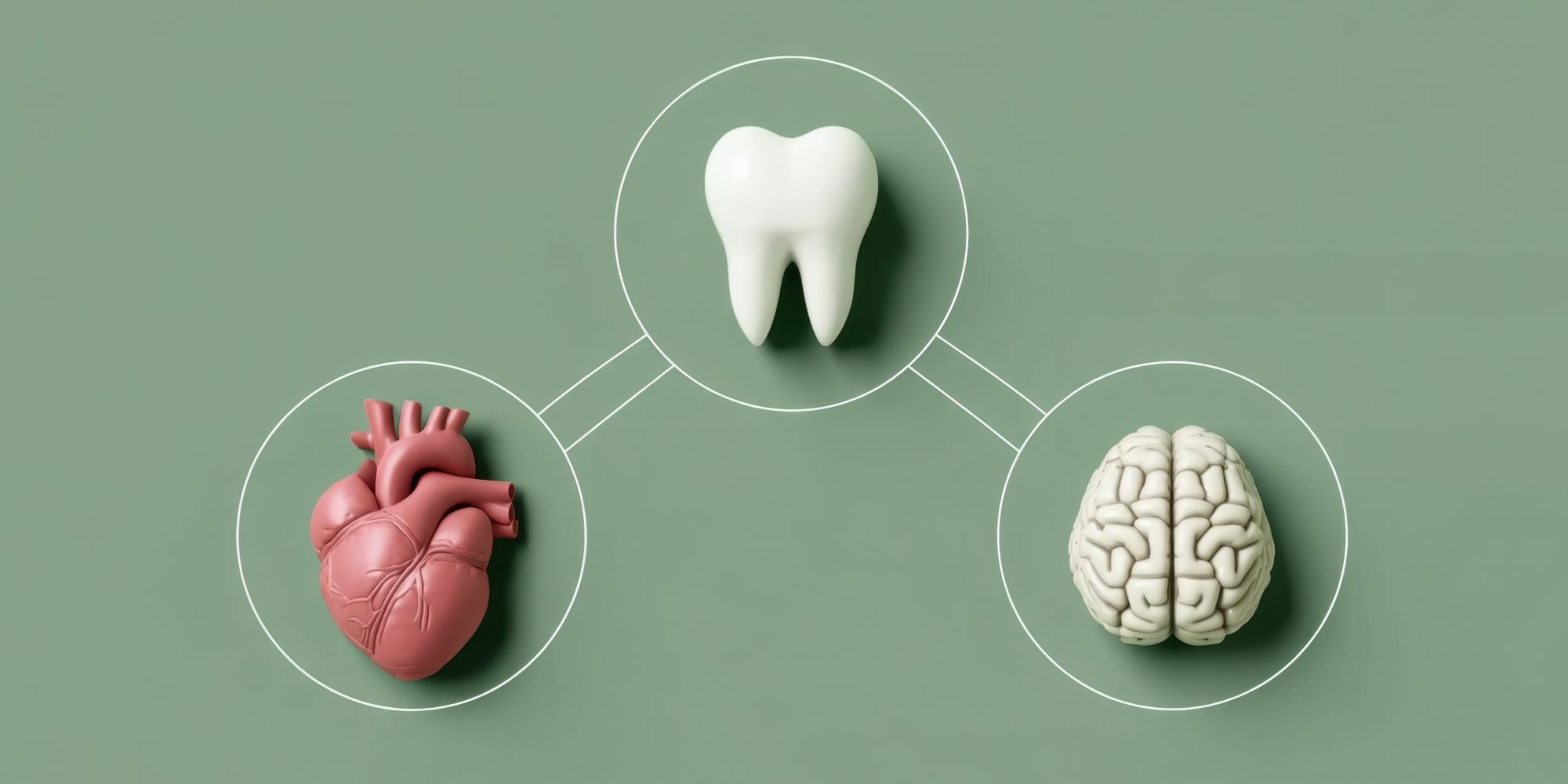
Physical and mental health are often viewed as two separate areas of health, but they are far more connected than they are often given credit for. The bidirectional relationship between mental health and dental health is one area of this conversation that is overlooked far too much. With May being Mental Health Awareness month, it seems fitting to talk about this underrepresented topic. This blog explores how mental health and dental health are related through the effects dental health has on mental health and the effects mental health can have on dental health.
Mental Health and Dental Health – Dental Health’s Impact on Mental Health
Mental health and dental health are related in many ways, but one of the more important observations is that when oral health begins to degrade, it can affect the way you view yourself and how you interact with others.
Lowers Self-Esteem
Yellow teeth, wide gaps, visible decay, and silver crowns are sources of embarrassment for many people. They feel ashamed of the way their smiles look, and they begin to compare themselves to others. Poor dental hygiene can lower self-image and, in turn, self-esteem. Research published in the Journal of Dental Research found that poor oral health is closely associated with increased psychological distress and lower self-rated well-being. Over time, these insecurities can negatively affect confidence in social, academic, and professional settings.
Decreases Social Interaction
Because of the embarrassment and shame that accompany poor dental health, people might begin to avoid social interactions. They may hide their smiles, avoid conversations, or withdraw from public settings because they fear judgment from others. Reduced social interaction can lead to feeling isolated and depressed. Over time, this isolation can significantly impact emotional well-being and make it more difficult to maintain healthy relationships.
Oral Pain Leads to Depression
Many times, poor oral hygiene results in pain in your gums and around your teeth. Even minor pain can cause constant discomfort that becomes mentally exhausting. Chronic oral pain can lead to frustration, irritability, stress, and even depression. Living with pain is no fun, especially when it prevents you from eating or talking. What may begin as a dental issue can slowly develop into an emotional and psychological burden.
Dental Work Can Trigger Anxiety
Many people become anxious when it comes to visiting the dentist. Having someone poke around your mouth while surrounded by unfamiliar tools can be intimidating, to say the least. In many cases, this anxiety is severe enough to interfere with daily life. People can overthink their dental appointments until they’re unable to think about or do anything else. Unfortunately, avoiding treatment often worsens dental problems, creating an unhealthy cycle of anxiety and declining oral health.
Mental Health and Dental Health – Mental Health’s Impact on Dental Health
Mental Health can often take a toll on dental hygiene in a number of different ways, which in turn will lead to lower self-esteem, depression, and social anxiety.
Impossible to do Daily Tasks
When struggling with depression, anxiety, or any other mental health diagnosis, doing daily tasks, like brushing your teeth, can feel insurmountable. It can take so much effort getting out of bed or going to work; those smaller, seemingly less important parts of the daily routine get missed. This quickly turns into a habit, and a once-well-used toothbrush begins to grow old in isolation. Not only do depression and anxiety play a big part in this, but so can dementia. Those suffering from dementia forget to brush their teeth. The task seems easy enough, but they simply can’t remember.
Grinding Teeth When Anxious
Anxiety can produce a lot of self-soothing behaviors, like nail biting, skin picking, or teeth grinding. Bruxism, the medical term for grinding your teeth, can cause significant damage to the teeth and jaw over time. It can also lead to headaches, worn enamel, jaw pain, tooth sensitivity, and disrupted sleep. Many people will grind their teeth unconsciously while they sleep. This leads to the damage continuing for long periods before they even realize it is happening.
Over brushing with OCD or Bipolar
It is rare for people to realize that just as not brushing is damage, so is over-brushing. Individuals suffering from either obsessive-compulsive disorder (OCD) or bipolar disorder may brush excessively due to compulsive behaviors or manic episodes. This could wear down the enamel, irritate gums, and increase tooth sensitivity. In severe cases, it can even lead to gum recession and permanent damage to the teeth.
Eating Disorders (Tooth Decay, Malnutrition) Affect the Gums
Another way mental health disorders can affect tooth health is through eating disorders. Conditions involving malnutrition deprive the body of essential nutrients needed to maintain healthy teeth and gums. In disorders involving purging, stomach acid comes into contact with teeth and erodes enamel. This increases the risk of decay. Gums may also weaken or deteriorate over time. The effects of eating disorders are not limited to physical appearance; they can leave lasting damage throughout the mouth.
Dry Mouth
Many mental health medications can also affect oral health. Antidepressants, anti-anxiety medications, and other psychiatric drugs all have the potential to cause dry mouth. Saliva plays an important role in protecting teeth by washing away bacteria and neutralizing acids. When the mouth becomes too dry, the risk of cavities, gum disease, bad breath, and tooth decay increases significantly. This means that even treatment for mental health conditions can unintentionally contribute to dental problems.
Conclusion: Mental Health and Dental Health
In the end, mental health and dental health can not be separated as easily as many people think. They each affect the other in different ways, creating an ongoing cycle that will either improve or damage a person’s overall well-being. During Mental Health Awareness Month, it is important to recognize that caring for mental health also means caring for dental health.
If you want more assistance during this Mental Health Awareness Month to understand the connection between mental health and dental health, please contact Bloomingdale Dentistry today to set up an appointment with us!

About Our Team
Our team at Bloomingdale Dentistry has over 40 years of experience in the field of dentistry. We have a reputation of excellence in patient treatment and care.
To learn more about our team, visit our team page.